01
Engineering
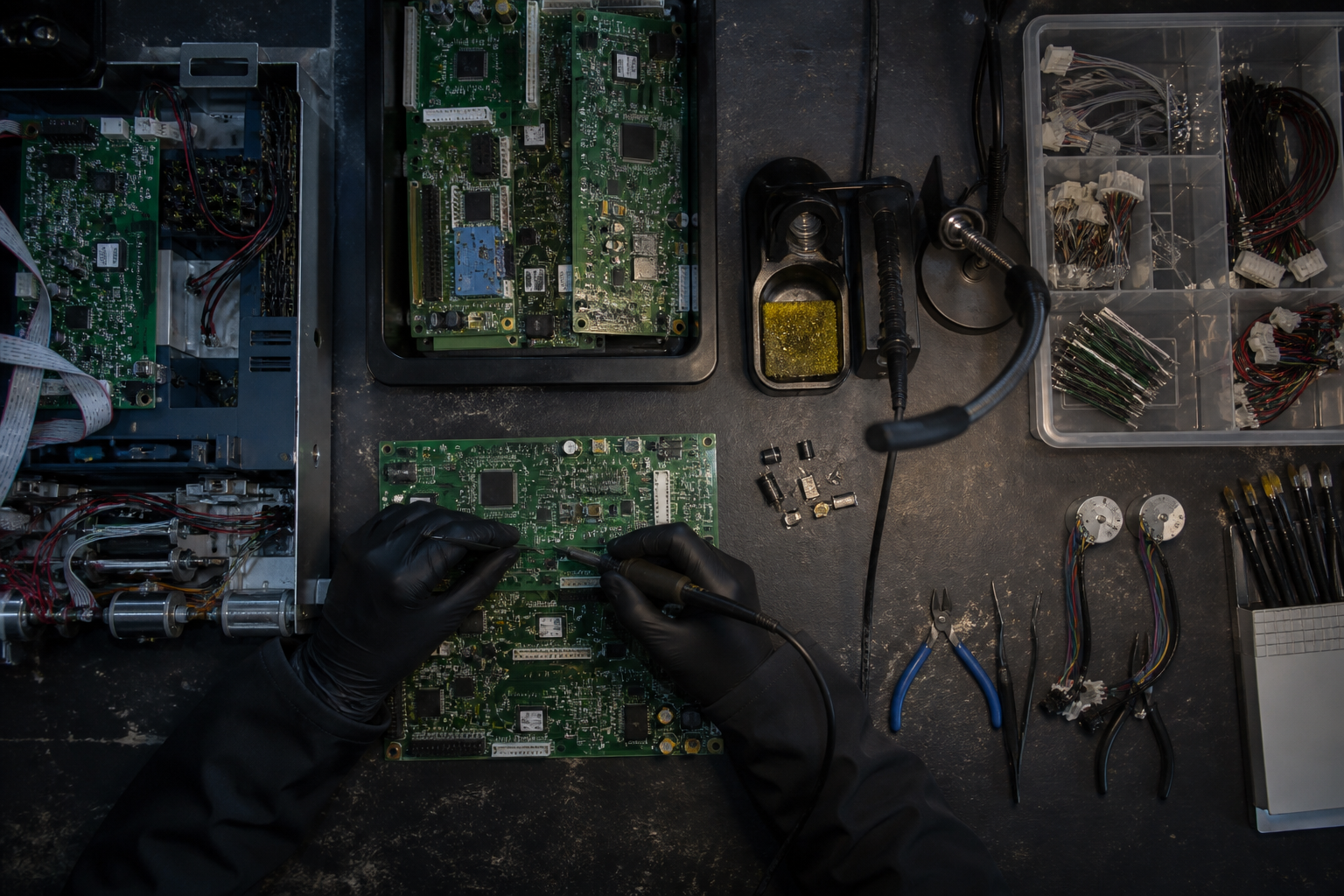
Engineers design ATM systems as infrastructure: enclosure geometry, internal component layout, electronics, security architecture, and service access — before a single housing is formed.
Most ATM networks stitch together hardware from one vendor, software from another, and monitoring from a third. Bogg builds all three, so nothing gets lost between handoffs.
ATM hardware engineered for durability and easy field service — reinforced housings, tamper sensors, and components chosen to survive years of daily use.
Proprietary software encrypts and authenticates every transaction, at every terminal, before it ever reaches the network.
Secure connectivity turns individual machines into a single estate that can be seen, updated, and managed.
An operations team tracks uptime, cash levels, and irregular activity across the full machine fleet, around the clock.
Physical hardening, device controls, encrypted communication, monitoring, and operational discipline as one architecture.
Field service, preventative maintenance, diagnostics, and software updates keep machines running without disrupting the network.
Raw materials become components. Components become a machine. Software, testing, deployment, and connection turn that machine into infrastructure.
Engineers design ATM systems as infrastructure: enclosure geometry, internal component layout, electronics, security architecture, and service access — before a single housing is formed.
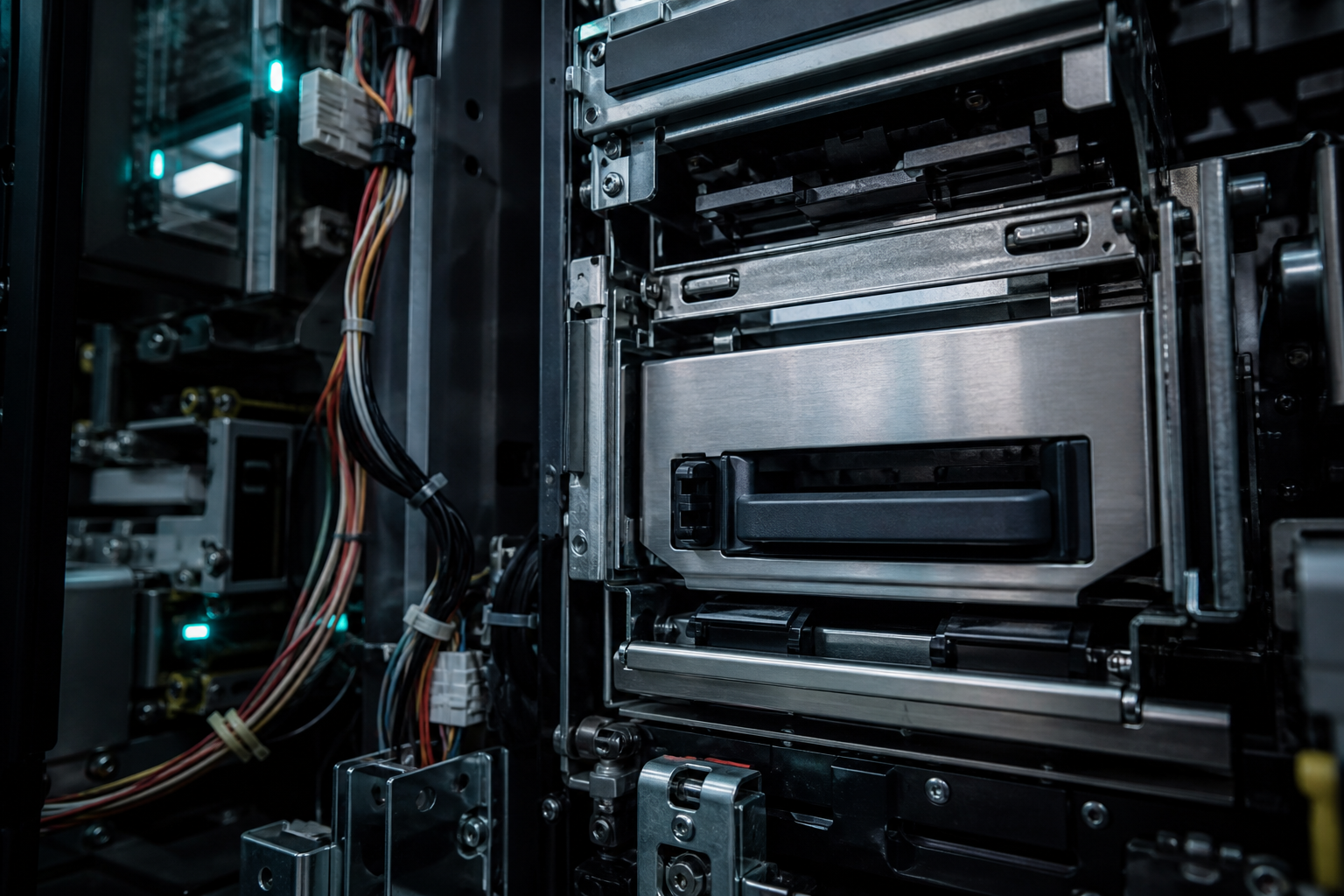
Metal housings, screens, keypads, card readers, cash modules, sensors, wiring, and security components are specified and inspected as a system, not as a catalogue of parts.
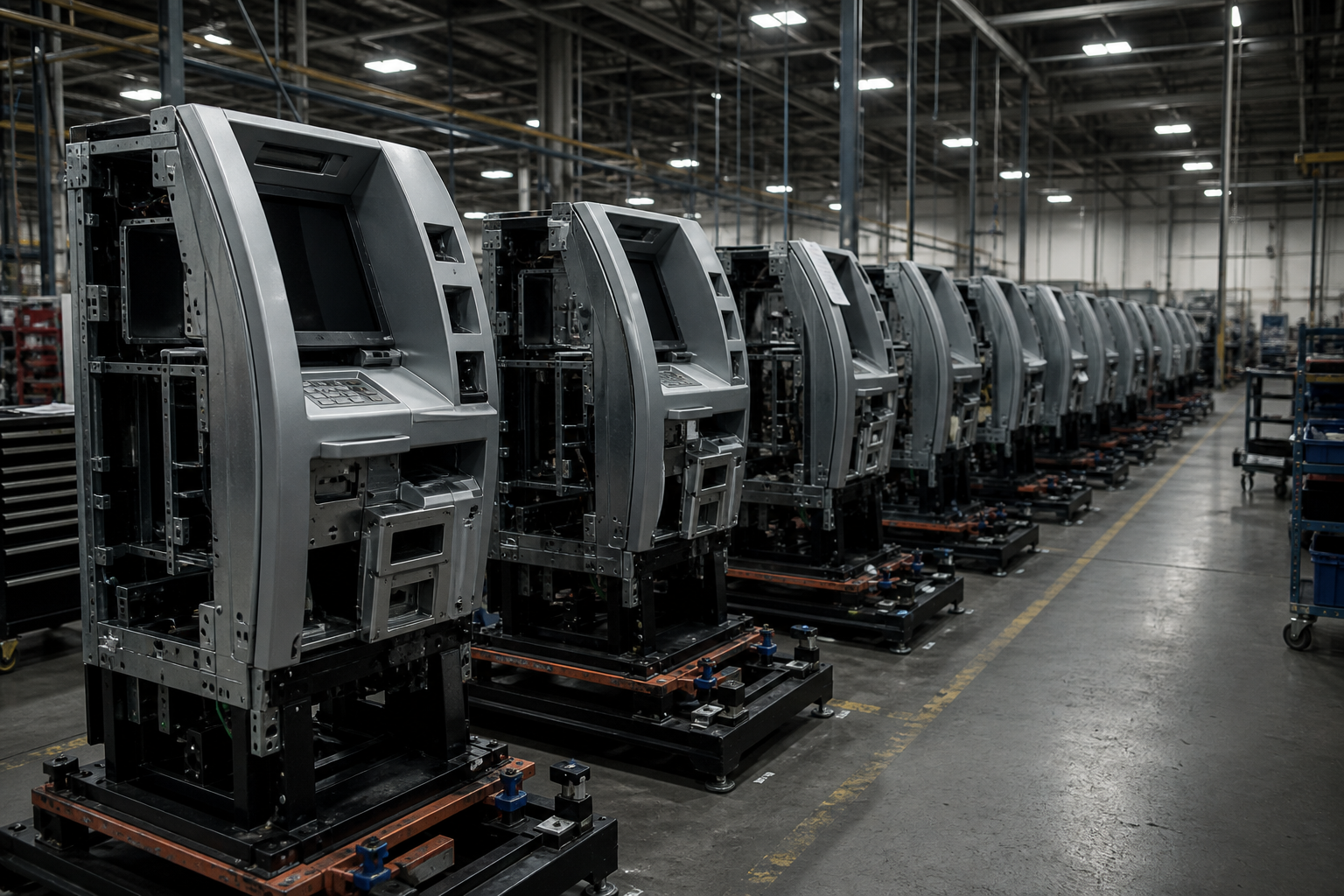
Technicians assemble each machine on the production floor. Fit, alignment, and serviceability are treated as engineering requirements, not finishing details.
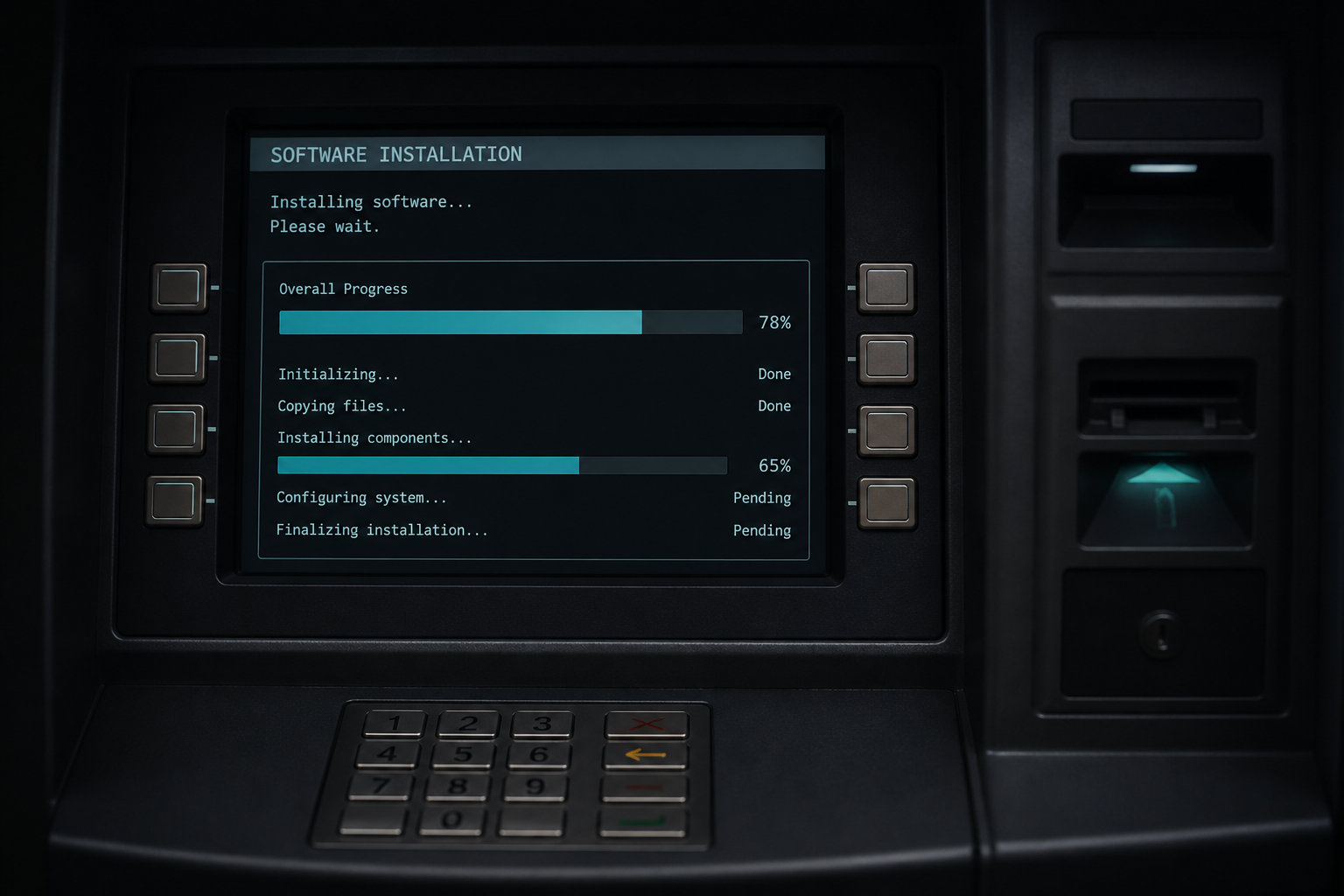
Hardware becomes a connected terminal. Bogg software is installed, authenticated, and prepared to report into the network before the machine leaves the floor.
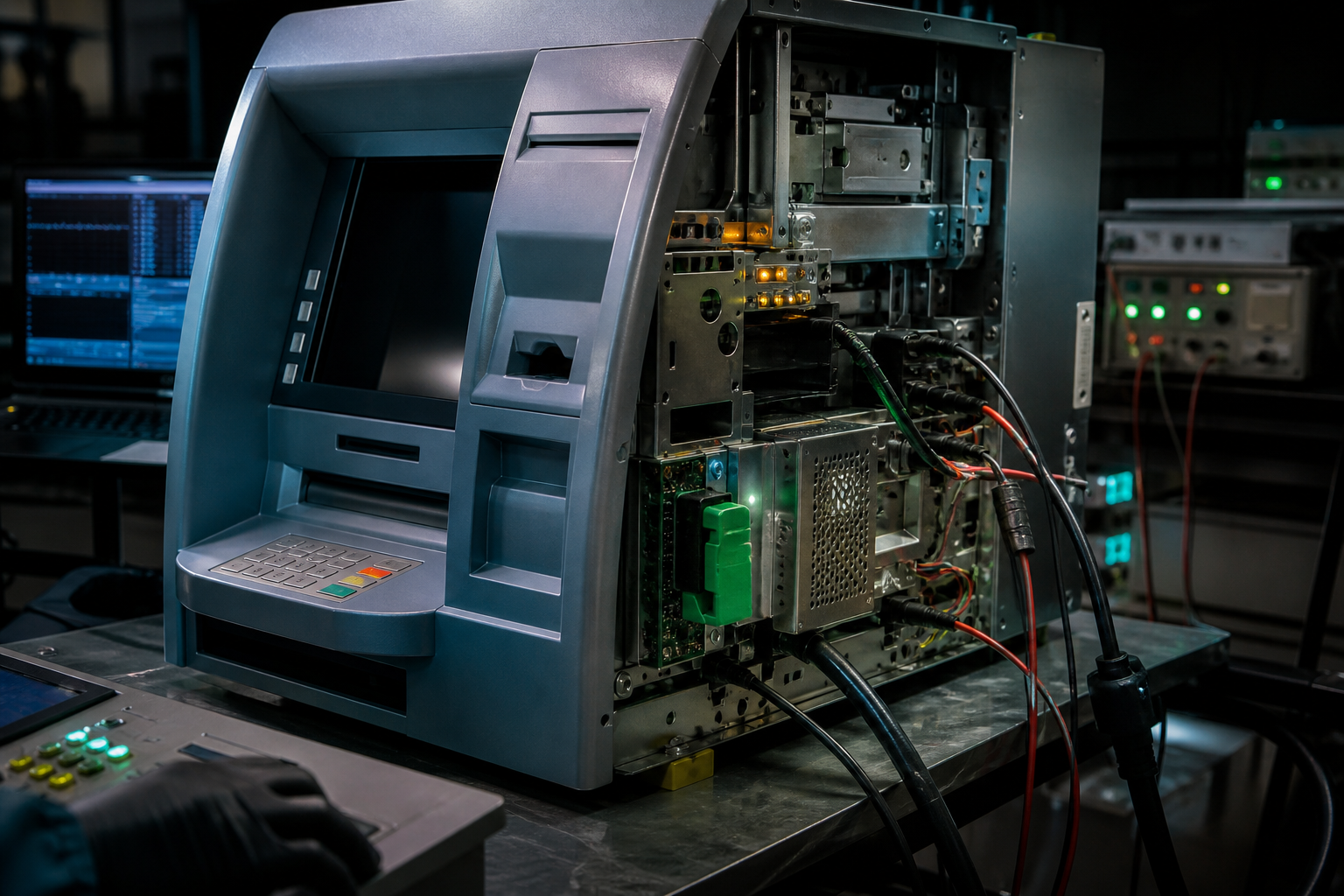
Quality assurance covers hardware function, transaction simulation, component verification, network behaviour, and security controls. A machine ships only when it meets the standard.
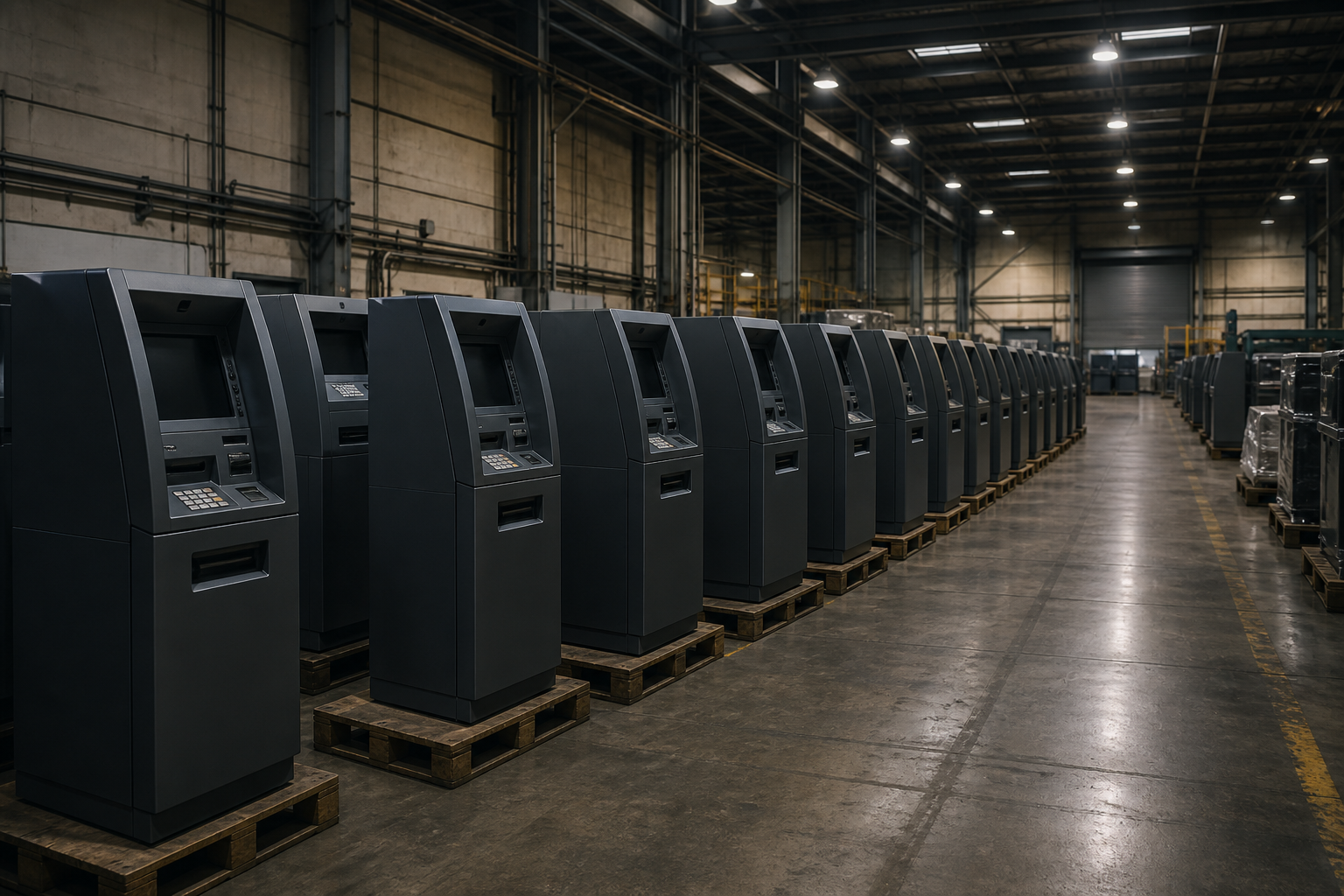
Finished machines are staged for deployment — inventoried, configured, and prepared for the locations they will serve.

Field technicians install machines at live sites, commission the unit, and confirm that physical placement, power, and access all meet operational requirements.
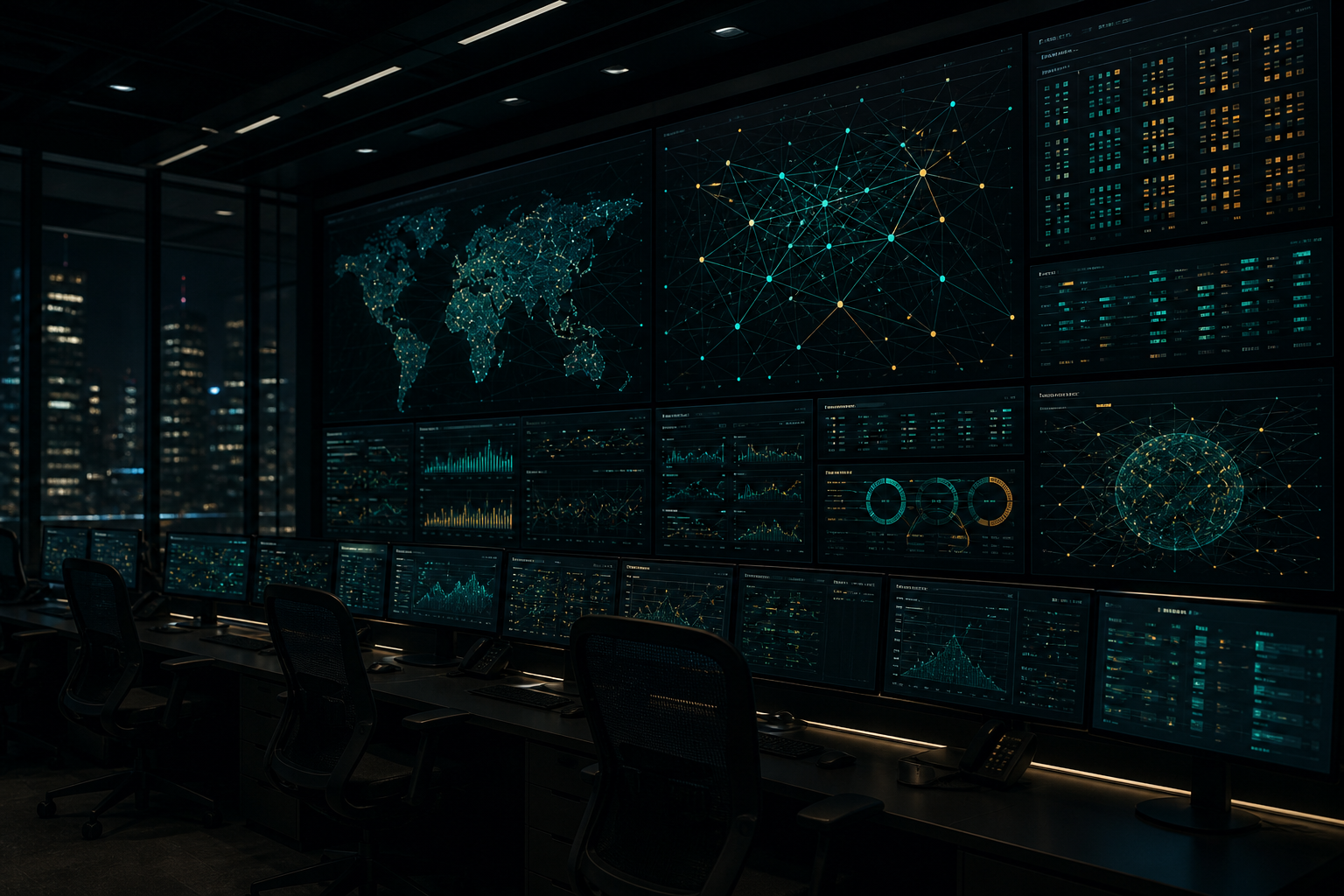
The machine joins Bogg infrastructure over encrypted communication. Identity, configuration, and monitoring channels are established before the terminal is treated as live.
Once connected, the machine appears on the monitoring platform. Health, connectivity, and status become visible to the operations team continuously.
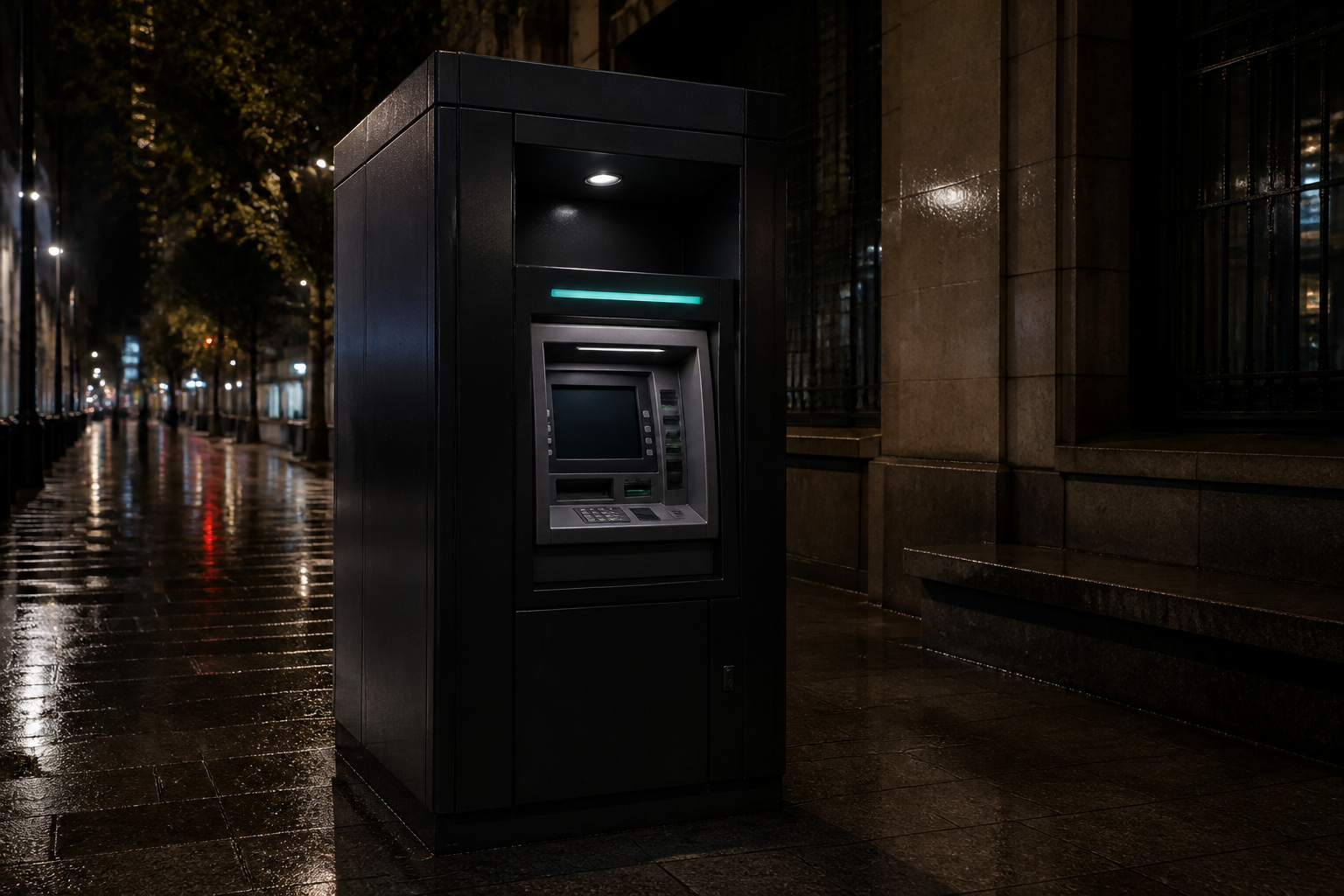
Manufacturing is only the beginning. After deployment, Bogg continues to monitor, secure, maintain, and improve the machine for as long as it remains on the network.
Engineer. Manufacture. Assemble. Test. Deploy. Connect. Monitor. Maintain. Optimize.
Systems, enclosures, electronics, and security architecture are designed as one machine.
Housings, modules, and components are produced and inspected to infrastructure standards.
Technicians build the terminal so it can be serviced in the field for years.
Hardware, software, network, and security behaviour are verified before shipment.
Machines are staged, transported, and commissioned at live locations.
Each terminal joins the secure network and is identified to the platform.
Telemetry, cash status, and connectivity report into the operations center.
Field service, diagnostics, and software updates keep the fleet running.
Operational data is used to improve reliability, service, and the next generation of hardware.
Manufacturing is only the beginning. Once deployed, a Bogg ATM reports into the platform, appears in the operations center, and remains a maintained node in the estate.
Each terminal sends health, connectivity, and operational telemetry on a continuous basis.
The Bogg platform authenticates the machine and records its state against the fleet.
Operators watch machine health, cash position, and connectivity across the full estate.
Cassette status is visible so replenishment can be planned before a machine runs dry.
Anomalies — a dropped connection, a jammed module, an unexpected event — are flagged as they appear.
Diagnostics and context are passed to the people who will resolve the issue.
Technicians arrive with the information needed to service the machine without guesswork.
When updates are required, they are distributed in a controlled way across the fleet.
The terminal returns to service, still visible to the operations center.
Reinforced housings, locking mechanisms, tamper sensors, and enclosure design intended to resist both opportunistic theft and coordinated attack.
Controls at the terminal: authenticated software, protected interfaces, and device-level integrity checks.
Messages between a terminal and core systems travel encrypted, with no plaintext operational data in transit.
The fleet connects through controlled channels designed to limit exposure and isolate abnormal traffic.
Continuous visibility of machine state, connectivity, and irregular physical or operational events.
Anomaly detection flags unusual activity — a forced door, an odd pattern, a dropped connection — as it happens.
People, process, and access discipline around how the network is watched, serviced, and changed.
An ATM is a coordinated set of mechanical, electronic, and security systems. Understanding the hardware is the first step to running it as infrastructure.
An ATM does not become infrastructure at the moment of installation. It becomes infrastructure through engineering, assembly, software, testing, and connection.
Seeing an ATM as a stack of systems makes reliability, security, and service easier to reason about.
Uptime is the product of hardware design, testing, telemetry, and field service working as one system.
Tell us about the network you run — or the one you need to build. Hardware, software, monitoring, security, deployment, and maintenance sit in one conversation.