ATM engineering
Machines are designed as infrastructure: enclosure geometry, module layout, electronics, security architecture, and the paths a technician will use years later.
Bogg manufactures ATM machines as long-lived terminals: durable, serviceable, and ready to join a monitored network — not as isolated boxes.
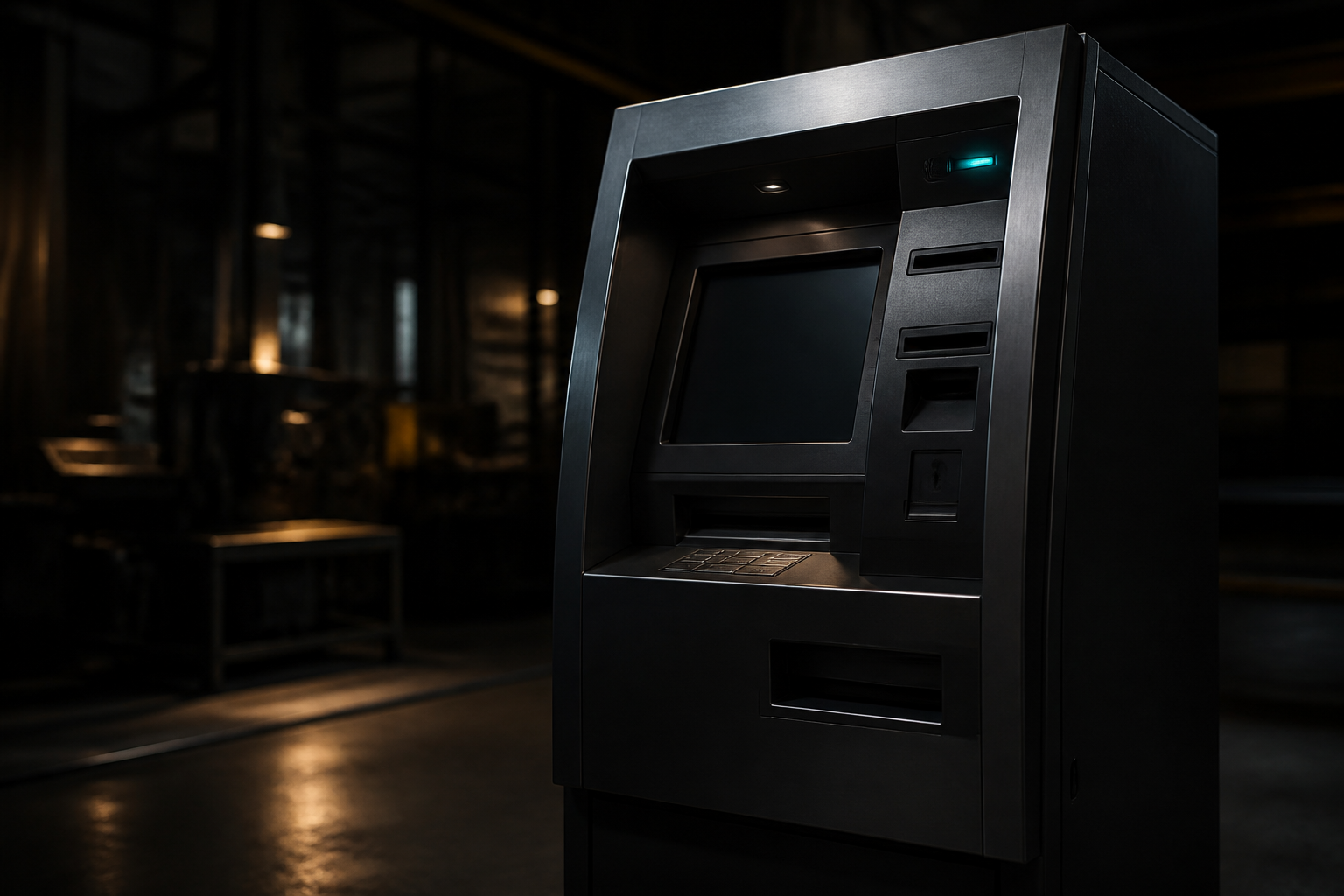
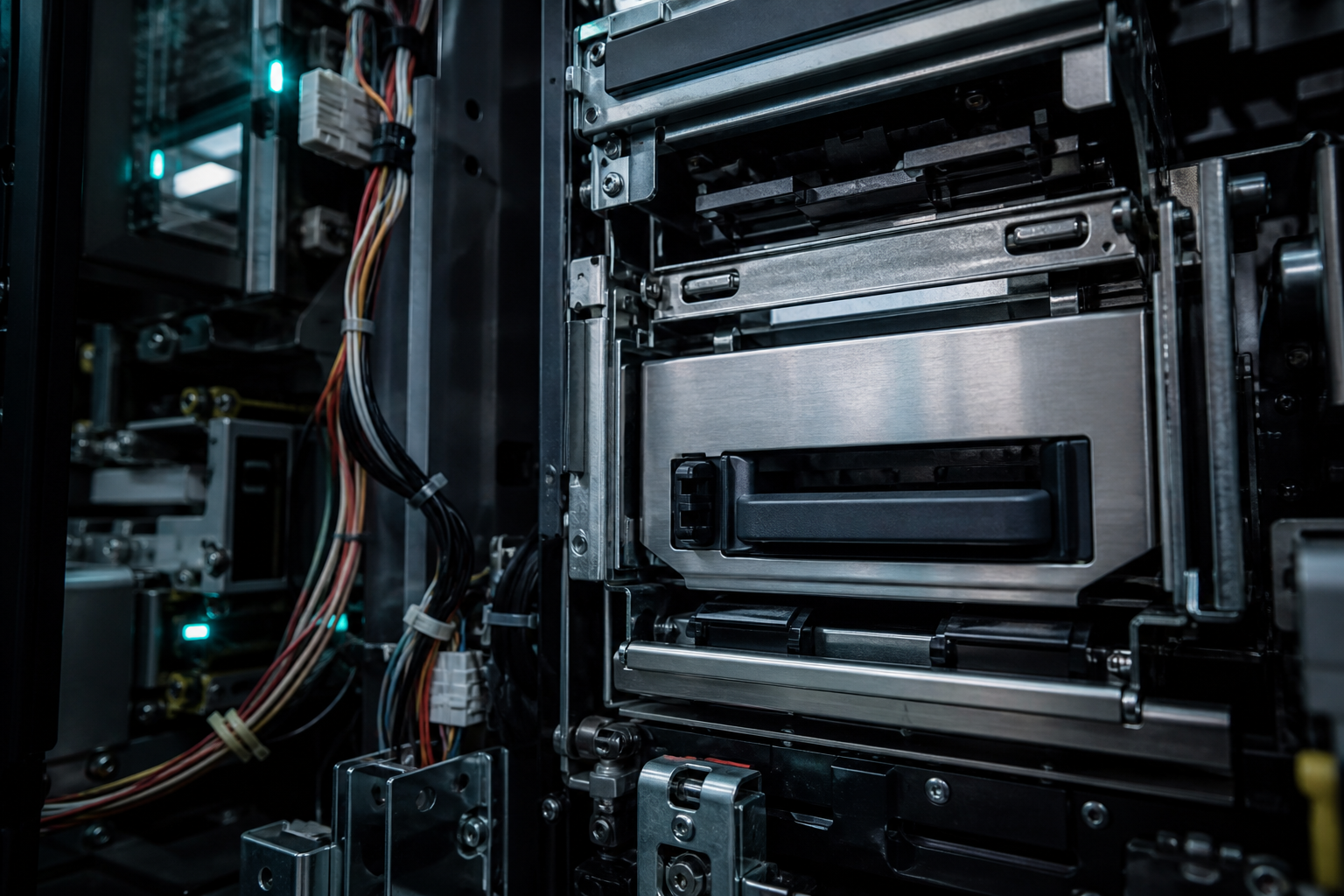
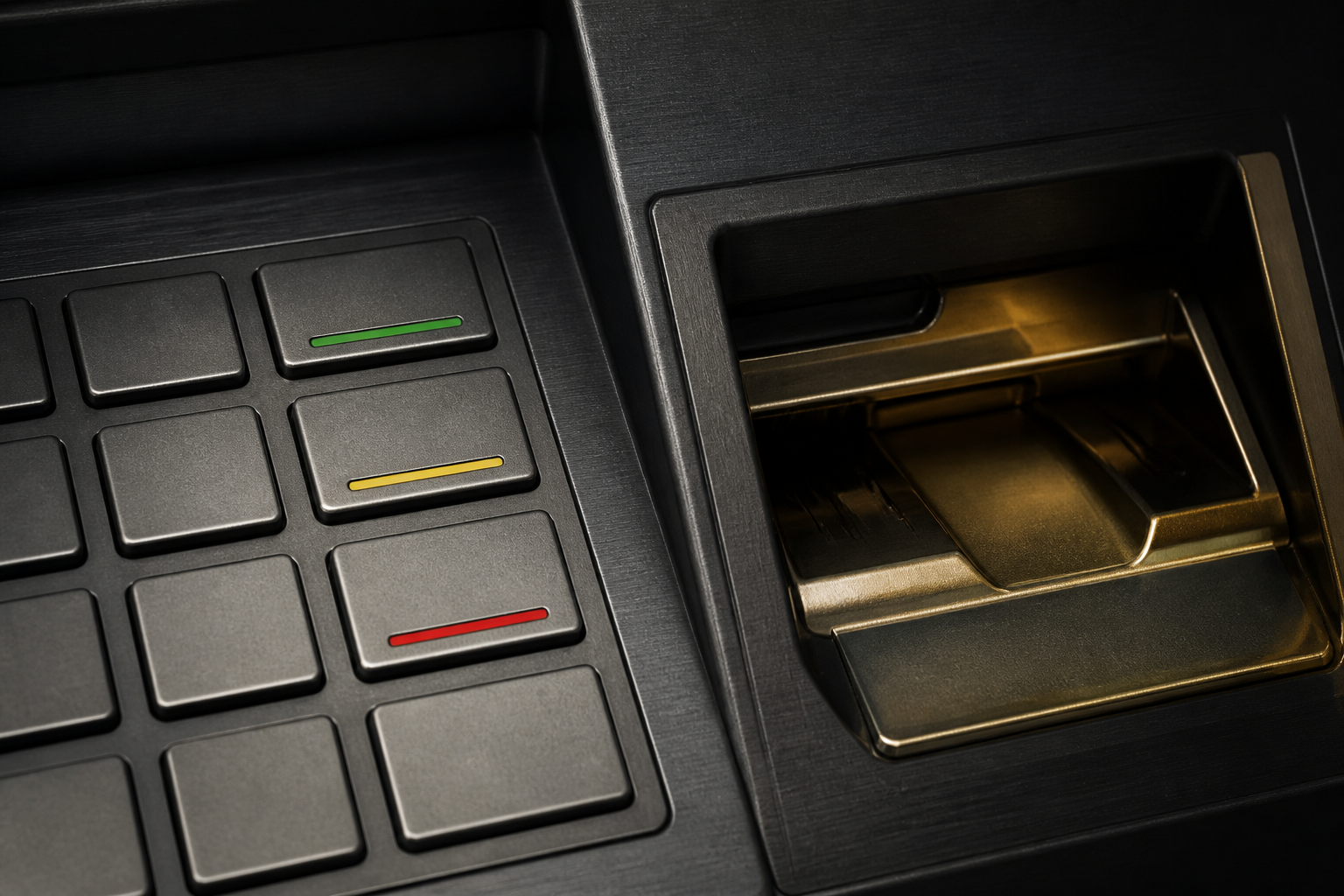
Component photography — cash path, fascia, and the interfaces the public touches.
Machines are designed as infrastructure: enclosure geometry, module layout, electronics, security architecture, and the paths a technician will use years later.
A Bogg ATM is a stack — housing, cash path, customer interface, electronics, software identity — specified so failures can be isolated and serviced.
Steel, locks, fascia, and internal structures are chosen for delay, durability, and repeated service, not for a showroom finish.
Physical hardening is present at design time: reinforced housings, tamper sensors, locking, and a cash path that fails closed.
Screens, keypads, card readers, cash modules, sensors, wiring, and controllers are treated as a system. A weak reader is a fleet problem.
Modules are meant to be replaced in the field. Serviceability is a manufacturing requirement, not an afterthought for the maintenance team.
Component choice, environmental design, and test gates set the ceiling for uptime. Operations determines whether the fleet reaches it.
Lobby and outdoor machines do not live the same life. Dust, temperature, vibration, and public exposure are part of the specification.
Assembly, software installation, hardware tests, transaction simulation, and security checks happen before a unit is staged for deployment.
A finished machine is still not infrastructure until it is installed, connected, and visible to operations. Hardware is built for that moment.
Tell us about the network you run — or the one you need to build. Hardware, software, monitoring, security, deployment, and maintenance sit in one conversation.